
If you live with Type 1 Diabetes, you already know the numbers don’t tell the full story. You can be at 150 or 170 mg/dL — nowhere near “dangerous” — and still feel like your entire body is caving in.
For me, highs don’t just show up on a meter. They show up in my breathing, my chest, my nervous system, and honestly… in my sense of safety inside my own body.
It feels like:
- I can’t take a full breath
- My chest is tight
- My ribs won’t expand
- My body is shrinking inward
- I’m trapped in my own skin
If you’ve ever felt that too, you are not dramatic and you’re not imagining it. There is real biochemistry behind this experience — and once I finally understood what was happening, the fear and claustrophobia stopped controlling me.
Let’s walk through what’s actually happening inside your body when your blood sugar rises.
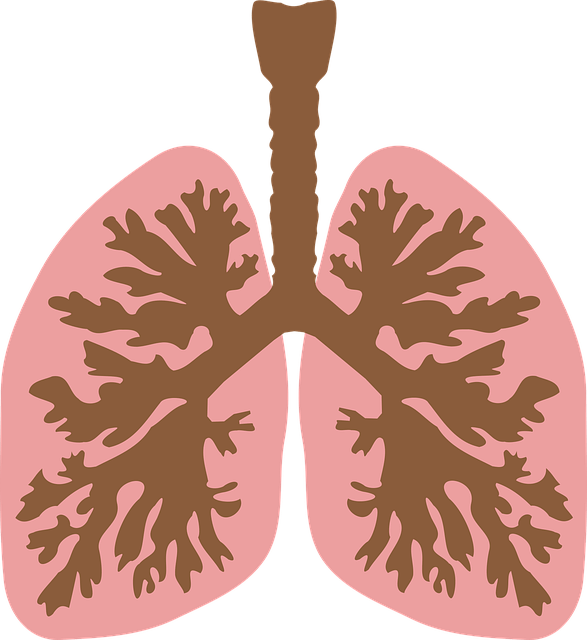
The Biochemistry Behind the “I Can’t Breathe” Feeling
A lot happens in your body between 100 → 150 → 170 mg/dL, even though most people think that’s “not that high.” For someone with Type 1, especially someone sensitive or tightly controlled, it creates a whole-body chain reaction.
Here’s the breakdown:
1. Your Cells Become Less Efficient at Using Glucose
Even mild highs make your cells stop pulling glucose in efficiently. This creates a temporary internal energy shortage — a mismatch between high blood sugar and low cellular fuel.
Your body responds by trying to pull in more oxygen, which creates that air hunger feeling.
2. Your Tissues Start Losing Water Immediately
High blood sugar pulls water out of your tissues — including your lungs and chest wall.
This leads to:
- tight lungs
- difficulty expanding your chest
- shallow breathing
- the “body collapsing inward” sensation
This happens sooner than most people think — many Type 1s feel it starting around 140–150 mg/dL.
3. Your Stress Hormones Spike
When your blood sugar rises, your body releases:
- adrenaline
- norepinephrine
- cortisol
Even if the number is 150–170.
These hormones:
- tighten your chest
- tense your ribcage
- speed up your heart
- make breathing feel restricted
It’s not anxiety causing the physical sensations — the physical sensations are triggering anxiety.
4. Your Brainstem Adjusts Your Breathing Pattern
Your brainstem constantly monitors your blood chemistry.
High blood sugar slightly increases:
- acidity
- lactate
- CO₂ fluctuations
Your brainstem responds by forcing your breath to become shallow, to stabilize chemistry.
This is why it feels like your body won’t let you take a deep breath, even though you’re trying.
5. Insulin Resistance Increases Within Minutes
Even at 150–170, adrenaline and cortisol make you more insulin resistant.
Your correction takes longer to work, so the tightness lingers — which makes the sensation feel even scarier.
6. Trauma + Long-Term Hypervigilance Amplify the Sensations
If you’ve lived with diabetes for years — especially if you had a chaotic childhood, medical trauma, or a history of needing to be hyper-aware of your body — your nervous system reacts more intensely.
Your brain has learned:
“Changes in my body = possible danger.”
So even mild highs feel louder and more threatening.
This is not weakness. This is a highly attuned survival system trying to protect you.
The Claustrophobia Loop
When all of these processes happen together, they create a feedback loop:
High BG → adrenaline → chest tightens → shallow breathing → fear → more adrenaline → more tightness.
No wonder it feels suffocating.
The good news?
You can interrupt this loop quickly.

A Grounding Plan for High BG (150–170+)
Here’s what actually helps — things that work with your physiology, not against it.
1. Extended exhale breathing
Inhale 3–4 seconds → exhale 6–8 seconds.
This immediately turns off the adrenaline response.
2. Sip water
Small sips rehydrate your lungs faster than chugging.
3. Rib expansion
Place your hands on your ribs and gently pull them outwards while you breathe into them. This physically unlocks the chest.
4. Move your spine
Sit upright, lean slightly forward, or roll your shoulders back once.
This releases the intercostal muscles that tighten during highs.
5. Give a gentle correction
Even before insulin kicks in, your body calms knowing help is coming.
6. Ground your amygdala
One hand on chest, one on belly.
Say: “This is just my blood sugar. My body is safe.”
7. One slow emptying breath
It resets the breathing pattern your brainstem locked into.
These steps work because they directly affect the body systems involved in the high-BG claustrophobia cycle.
You’re Not Alone — And You’re Not Broken
If you feel your body closing in during a high, nothing is “wrong” with you.
You’re not too sensitive.
You’re not overreacting.
Your body is doing exactly what a Type 1 body is designed to do under stress.
And you can take back your sense of safety — not by ignoring your body, but by understanding it.
This is why I share my journey.
Because living with Type 1 Diabetes isn’t just about carbs and insulin…
It’s about the deep internal relationship we build with our bodies after years of surviving chronic stress.
So the next time a high creeps in, let your breath anchor you, your awareness guide you, and your inner wisdom remind you that you are always in control of your comeback.


 Hi, I’m Maisha — a curious soul, deep feeler, and Type 1 Diabetic on a journey of healing and wholehearted living. Altruism Prism is my little corner of the internet where I reflect on the messy, beautiful work of building deeper relationships — with myself, with others, and with God.